









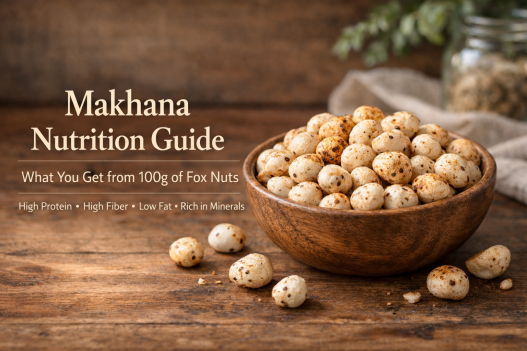
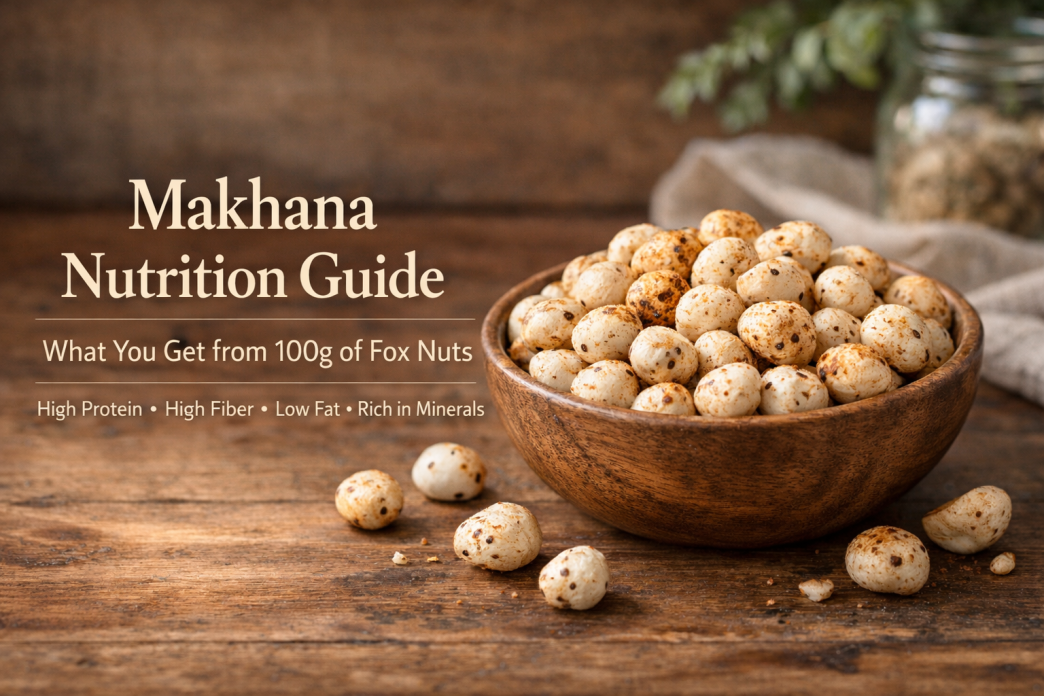
Makhana, also known as fox nuts or lotus seeds, is a nutrient-dense superfood popular in Indian cuisine for its crunchy texture and impressive health profile. Packed with antioxidants, fiber, protein, and essential minerals, it offers numerous evidence-based benefits when consumed roasted or boiled as a snack.
Nutritional Profile
Makhana stands out for its low-calorie content, with about 350 calories per 100 grams, making it ideal for guilt-free snacking. It’s rich in plant-based protein (around 9-15 grams per 100 grams), fiber (up to 14 grams), and carbs for sustained energy, while being low in fat and cholesterol-free. Key minerals include magnesium, potassium, calcium, phosphorus, and iron, plus antioxidants like flavonoids and polyphenols that combat oxidative stress.
Heart Health Support
The magnesium and potassium in makhana help regulate blood pressure by relaxing blood vessels and improving circulation, reducing hypertension risk. Low in sodium and saturated fats with zero cholesterol, it prevents plaque buildup in arteries and lowers chances of heart attacks or strokes. Anti-inflammatory properties further protect cardiovascular health.
Weight Management Aid
High fiber and protein content promote satiety, curbing unnecessary snacking and overeating. At just 50-60 calories per handful (about 25 grams), it’s a low-calorie alternative to chips or fried snacks, supporting steady weight loss without blood sugar spikes.
Digestive Wellness
Soluble and insoluble fiber in makhana eases bowel movements, prevents constipation, and supports gut metabolism. It acts as a prebiotic, fostering healthy gut bacteria for better overall digestion.
Kidney Function Boost
Diuretic effects flush toxins and excess fluids, while antioxidants shield kidney cells from damage. Low sodium helps maintain electrolyte balance, reducing risks of stones or infections.
Bone Strength
Calcium and magnesium enhance bone density, combating osteoporosis and arthritis symptoms. Phosphorus aids mineralization for stronger skeletal health.
Antioxidant Protection
Flavonoids and polyphenols neutralize free radicals, lowering chronic disease risks like cancer. They also slow aging by protecting skin cells and boosting collagen for elasticity and glow.
Blood Sugar Control
Low glycemic index and high fiber slow sugar absorption, benefiting diabetics by stabilizing levels. Magnesium improves insulin sensitivity.
Immunity Enhancement
Antioxidants and minerals like zinc and iron fortify the immune system against infections. Regular intake strengthens defenses.
Skin and Anti-Aging
Amino acids and antioxidants reduce wrinkles, improve elasticity, and fight inflammation for radiant skin. They neutralize UV-induced damage.
Energy and Vitality
Balanced carbs and proteins provide sustained energy without crashes, making it a healthy coffee alternative when roasted. It may also support libido and fertility via aphrodisiac properties.
How to Incorporate Makhana
Roast plain or with spices like pepper, turmeric, or herbs for a savory snack. Add to salads, soups, kheer, or smoothies. Aim for 30-50 grams daily to maximize benefits without excess calories.
Potential Considerations
Allergic reactions are rare, but overconsumption may cause bloating due to fiber. Consult a doctor if you have kidney issues or are pregnant.
Nutrition per 100g
Per 100 grams of roasted makhana (approximate averages from reliable sources):
| Nutrient | Amount |
|---|---|
| Calories | 347–356 kcal |
| Protein | 9–9.7 g |
| Carbohydrates | 64–77 g |
| Fiber | 14–14.5 g |
| Fat | 0.1–0.6 g |
| Calcium | 56–60 mg |
| Magnesium | 67–210 mg |
| Potassium | 350–500 mg |
| Phosphorus | 188–550 mg |
| Iron | 1.4–2.6 mg |
FAQ
What is makhana made from?
Makhana comes from the seeds of the Euryale ferox lotus plant, popped like popcorn for its light, crunchy form.
Is makhana good for weight loss?
Yes, its high fiber and protein keep you full longer with minimal calories.
Can diabetics eat makhana?
Absolutely, its low GI and fiber help manage blood sugar effectively.
How much makhana per day?
30-50 grams (1-2 handfuls) is ideal for benefits without digestive discomfort.
Does makhana help with sleep?
Magnesium content promotes relaxation, potentially improving sleep quality.
Is makhana gluten-free?
Yes, naturally gluten-free and suitable for celiacs.
Can makhana strengthen bones?
Its calcium, magnesium, and phosphorus support bone density and prevent osteoporosis.
Is makhana better than nuts?
Often yes—lower calories, higher antioxidants, and cholesterol-free compared to many nuts.
Does cooking affect makhana benefits?
Roasting preserves most nutrients; avoid deep-frying to keep it healthy.
Where to buy quality makhana?
Opt for organic, Bihar-sourced varieties for purity and freshness.